

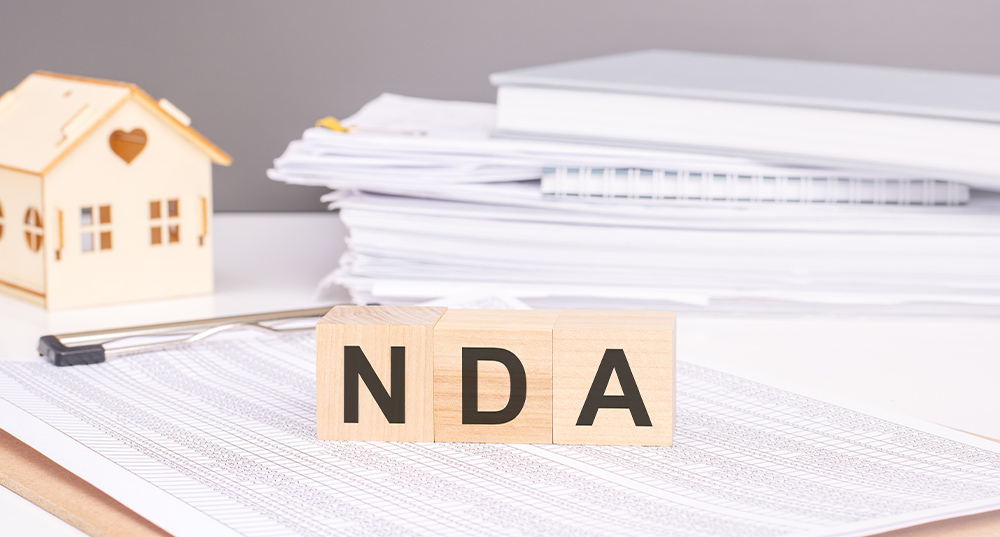
The translation of Non-Disclosure Agreements (NDA) is indispensable in international business scenes such as transactions with overseas companies, M&A (mergers and acquisitions), joint development, and outsourcing to foreigners. However, contract translation requires legal accuracy and clear expression, and translation errors or lack of understanding of the content can lead to significant risks. Since the concepts and business customs regarding contracts differ between Japan and overseas, literal translation often cannot suffice, making specialized knowledge essential. This article explains the necessary knowledge for NDA translation, translation methods, and points to note when requesting.
- Table of Contents
-
- 1. Challenges in Translating Non-Disclosure Agreements
- 1.1 Situations Where NDA Translation Is Required
- 1.2 Issues Related to NDA Translation
- 2. Prerequisite Knowledge Needed for NDA Translation
- 2.1 Differences in Contractual Concepts and Cultures Between Japan and Other Countries
- 2.2 Legal Accuracy Is Required
- 2.3 Clear and Unambiguous Expressions Are Required
- 2.4 English NDAs contain technical terms, idiomatic expressions, and rules related to international commercial transactions
- 2.5 Risks of Damages and Loss of Trust Caused by Translation Errors
- 3. Methods for Translating Non-Disclosure Agreements
- 3.1 Internal Use of Machine Translation Tools and Post-Editing Services
- 3.2 Outsourcing to Translation Companies
- 4. Points to Note When Requesting Translation of Non-Disclosure Agreements
- 4.1 Criteria for Selecting Translation Companies
- 4.2 Confirmation of Translation Methods (Machine Translation Tools or Human)
- 4.3 Thorough Confirmation of Post-Editing and Review Systems
- 4.4 Security System
- 5. Introduction to "MTrans for Office" and Human Science Support Services
- 5.1 About "MTrans for Office"
- 5.2 Post-Editing (MTPE) Service
- 6. Summary
1. Challenges in Translating Non-Disclosure Agreements

When conducting transactions with overseas companies or foreigners, translation of non-disclosure agreements becomes necessary, and various challenges arise in the process.
1.1 Situations Where NDA Translation Is Required
There are many situations where the translation of non-disclosure agreements is required. For example, when conducting transactions or M&A with overseas companies, translation is indispensable for both parties to accurately understand the contract contents. Additionally, in joint development or technical partnerships with foreign companies, it is necessary to clearly agree on the handling of intellectual property and confidential information. Furthermore, when outsourcing work to foreigners, translating and concluding a non-disclosure agreement can minimize the risk of information leakage.
1.2 Issues Related to NDA Translation
There are several challenges in translating non-disclosure agreements. First, translation errors or insufficient understanding of the content can lead to significant risks. Even a single mistranslation of a contract clause can cause legal troubles or information leaks. Additionally, since business customs and legal systems vary by country and region, a simple literal translation may not fit the local circumstances. Considering these differences, it is necessary to select appropriate expressions and provisions.
2. Prerequisite Knowledge Needed for NDA Translation

Translating a non-disclosure agreement (NDA) requires not only language skills but also specific knowledge and points of caution unique to contracts. Here, we explain the main prerequisite knowledge that translators should grasp.
2.1 Differences in Contractual Concepts and Cultures Between Japan and Other Countries
The fundamental perspectives and cultures regarding contracts differ between Japan and overseas. In Japan, trust and tacit understanding tend to be emphasized, whereas overseas, the content explicitly stated in the contract is everything, and matters not written in the document are often not recognized. It is important to understand these differences when translating.
2.2 Legal Accuracy Is Required
Since a non-disclosure agreement is a legally binding document, a high level of accuracy is required in its translation. Ambiguous expressions or mistranslations can result in the contract’s content not being conveyed correctly, potentially causing legal disputes.
2.3 Clear and Unambiguous Expressions Are Required
In contract translation, clear expressions that can be interpreted with the same meaning by anyone who reads them are necessary. Ambiguous phrasing and polysemous expressions should be avoided, and care must be taken to translate in a way that leaves no room for misunderstanding.
2.4 English NDAs contain technical terms, idiomatic expressions, and rules related to international commercial transactions
English non-disclosure agreements contain many legal terms, contract-specific idiomatic expressions, and rules related to international transactions. Specialized knowledge is essential to correctly understand and appropriately translate these terms and expressions.
2.5 Risks of Damages and Loss of Trust Caused by Translation Errors
Translation errors in non-disclosure agreements can lead to information leaks or contract breaches, resulting in serious risks such as claims for damages and loss of corporate credibility. Therefore, utmost care is required in the translation process.
3. Methods for Translating Non-Disclosure Agreements
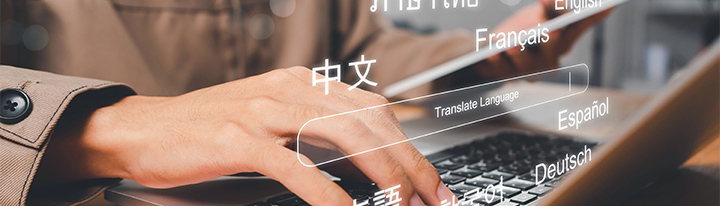
There are mainly the following two methods for translating non-disclosure agreements.
3.1 Internal Use of Machine Translation Tools and Post-Editing Services
In recent years, the accuracy of machine translation tools has improved, but for highly specialized documents like non-disclosure agreements that require legal precision, machine translation alone is often insufficient. Therefore, it is recommended to first use a machine translation tool and then request post-editing (corrections and proofreading after translation) by experts. This approach allows you to reduce costs while ensuring accuracy and reliability.
3.2 Outsourcing to Translation Companies
Another method is to outsource the translation of non-disclosure agreements to a specialized translation company. Since translation companies employ translators who are well-versed in the legal field, they can accurately and appropriately translate the content of the contract. Especially for important contracts or when there is no legal or translation expertise within the company, outsourcing to a translation company is considered the safest and most reliable method.
4. Points to Note When Requesting Translation of Non-Disclosure Agreements
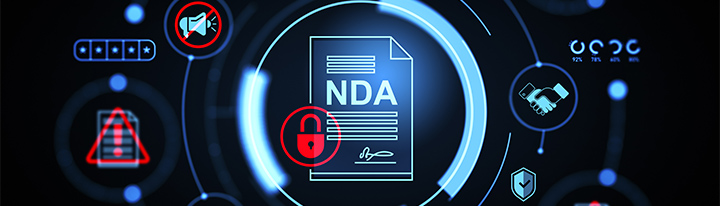
When requesting the translation of a non-disclosure agreement from a translation company, it is necessary to confirm several important points in advance. Below, we explain the main points to be aware of when making a request.
4.1 Criteria for Selecting Translation Companies
When requesting the translation of a non-disclosure agreement, selecting the right translation company is the most important factor. Check whether they have international legal knowledge and experience, review past translation cases, and their ability to handle specialized fields. Additionally, translation accuracy, quality control systems, and whether double-checking or native checks are conducted are also important criteria for judgment.
4.2 Confirmation of Translation Methods (Machine Translation Tools or Human)
Be sure to confirm in advance the method the translation company uses for translation. There is a difference in quality and nuance transmission between using machine translation tools and having a professional translator perform manual translation. For important documents such as non-disclosure agreements, it is preferable to choose human translation by experts or post-editing services where experts review and correct the results of machine translation tools.
4.3 Thorough Confirmation of Post-Editing and Review Systems
It is also an important point to ensure that post-editing and checking systems are in place after translation. To prevent mistranslations and inconsistencies in expressions, confirm whether proofreading by multiple people and legal checks are conducted. Since accuracy in legal terms and expressions is especially required, a thorough checking system is indispensable.
4.4 Security System
Since the contents of non-disclosure agreements are highly confidential, be sure to also confirm the security measures of the translation company. It is important to check in advance whether there is a management system to prevent information leaks, how data is handled, and whether internal non-disclosure agreements are in place, ensuring an environment where you can confidently place your order.
5. Introduction to "MTrans for Office" and Human Science Support Services

5.1 About "MTrans for Office"
MTrans for Office is a service that enables high-quality translation with just one click within Microsoft Office (Word, Excel, PowerPoint, Outlook). It is especially ideal for companies that have in-house experts and handle many specialized documents and materials daily, improving operational efficiency. The main features are as follows.
・Direct Translation within Office
No need to move files or copy and paste. You can perform translation tasks directly from the familiar interface, making effective use of experts' time.
・Selectable from Four Translation Engines
You can choose the most suitable engine according to your purpose or specialized field from DeepL, Google, Microsoft, and ChatGPT (OpenAI).
・Pre-registration of Proper Nouns
By pre-registering company names, product names, and technical terms, mistranslations of specialized content are prevented, ensuring accurate translations.
・High Security
You can translate highly confidential documents with confidence, making it ideal for important materials handled by in-house experts.
Easy Translation Software for Office, MTrans for Office
5.2 Post-Editing (MTPE) Service
When translating important documents such as non-disclosure agreements, machine translation alone may leave concerns about accuracy and nuance. In such cases, we recommend using Human Science's "Post-Editing (MTPE) Outsourcing Service".
・Thorough Review and Correction by Professional Translators
The results of machine translation (MT) are carefully checked in detail by professional translators with expertise in contracts, and corrected to accurately reflect the original intent and legal nuances. This minimizes mistranslations, unnatural expressions, and legal risks.
・Speedy and High-Quality Service
Combining the speed of machine translation with quality assurance by experts. We provide high-quality translations with shorter delivery times and lower costs compared to traditional translation. This is especially ideal for large volumes of documents or when quick turnaround is required.
・Reliable Support System for Peace of Mind
We provide meticulous support tailored to your requests and purposes, including terminology standardization and application of style guides. We also respond promptly to any questions or revision requests after translation, ensuring a system you can use with confidence.
6. Summary
The translation of confidentiality agreements plays a very important role in international business. Translating contracts requires not only language skills but also legal knowledge, understanding of each country's commercial practices, and accurate and clear expression. Since translation errors can lead to serious risks, it is recommended to use a combination of machine translation and professional post-editing, or to entrust the work to a reliable translation company. Additionally, it is important to thoroughly check the translation company's track record, review system, and security measures when placing an order.
At Human Science, we offer the automatic translation software MTrans for Office, which can utilize translation engines from DeepL, Google, Microsoft, and ChatGPT. ChatGPT can be used not only as a translation engine but also for text generation, rewriting, and proofreading depending on the prompts. MTrans for Office is available with a 14-day free trial. Please feel free to contact us.
Features of MTrans for Office
① Unlimited number of translatable files and glossaries with a flat-rate plan
② One-click translation from Office products!
③ Secure API connection
・For customers who want further enhancements, we also offer SSO and IP restrictions
④ Japanese-language support by a Japanese company
・Support for security check sheets is also available
・Payment by bank transfer is available
MTrans for Office is an easy-to-use translation software for Office.

















 Return to the top of the page
 +81 35-321-3111[Tokyo Headquarters]
  Contact Us
 Request for Information